

- Home
- Industries
- Infrastructure
Infrastructure
Digitalization and the Rise of Smart Infrastructure
As digital technologies mature, traditional infrastructure is rapidly transitioning toward smart and digital transformation.From roads, bridges, and water facilities to energy systems, more public infrastructure projects are integrating sensors, digital twins, and automated monitoring to enable real-time status tracking, optimize maintenance workflows, and improve safety and efficiency.With AI analytics and edge computing, infrastructure is no longer just concrete and steel—it becomes an intelligent asset capable of sensing and responding.
Rising Demand for Public-Private Partnerships and Sustainable Development
With climate change and the global focus on ESG, both governments and private sectors are placing greater emphasis on reducing carbon emissions, minimizing environmental impact, and increasing the social value of infrastructure.Low-carbon concrete, recyclable materials, and modular construction methods are widely adopted, with public projects now requiring more rigorous sustainability evaluations.Additionally, PPP (Public-Private Partnership) models, where private entities contribute funding and operational expertise, help share risks and boost efficiency—becoming a prevailing trend in infrastructure development.
The Emergence of Infrastructure-as-a-Service (IaaS)
In the digital era, infrastructure is shifting from one-time construction projects to a new model of "Infrastructure-as-a-Service" (IaaS).Smart traffic systems, energy storage stations, and water management platforms can now be delivered via long-term leasing or pay-as-you-go models, forming a new framework for public resource operation.
Industry Pain Points
1.Low Level of Digitalization & Data Silos
- Most public infrastructure projects still rely on paper-based or non-real-time systems, making it difficult to integrate and analyze data across departments and platforms.
- The lack of unified platforms or standard protocols leads to poor interoperability between units and systems.
2.Long Construction Timelines & Poor Progress Control
- Large infrastructure projects (such as railways, waterworks, and power grids) often span several years and are delayed by factors such as budget shortages, design changes, and land acquisition issues.
- Complex multi-level review systems and low administrative efficiency further affect overall project delivery timelines.
3.High Initial Investment & Long Payback Period
- Smart and sustainable designs require high upfront costs, including sensor deployment, energy modules, and carbon footprint simulation technologies.
- Infrastructure projects have long payback periods, making it difficult to demonstrate short-term ROI, which hinders policy support and adoption.
4.Technology and Talent Gap - Integration of engineering and information systems is still underdeveloped, and frontline workers often lack digital skills.
- Conventional infrastructure firms have varied acceptance levels of technologies such as BIM, IoT, and AI, resulting in poor implementation outcomes.
5.Security and Resilience Challenges - As infrastructure systems become increasingly digitalized, they are more vulnerable to cyberattacks and system failures, with far-reaching consequences.
- With extreme weather events becoming more frequent, many existing facilities lack proper design for floods, heatwaves, or earthquakes, and are missing long-term resilience planning.
Solutions
| Product/Solution | Features & Highlights | Addressed Pain Points | Resolved Challenges |
|---|---|---|---|
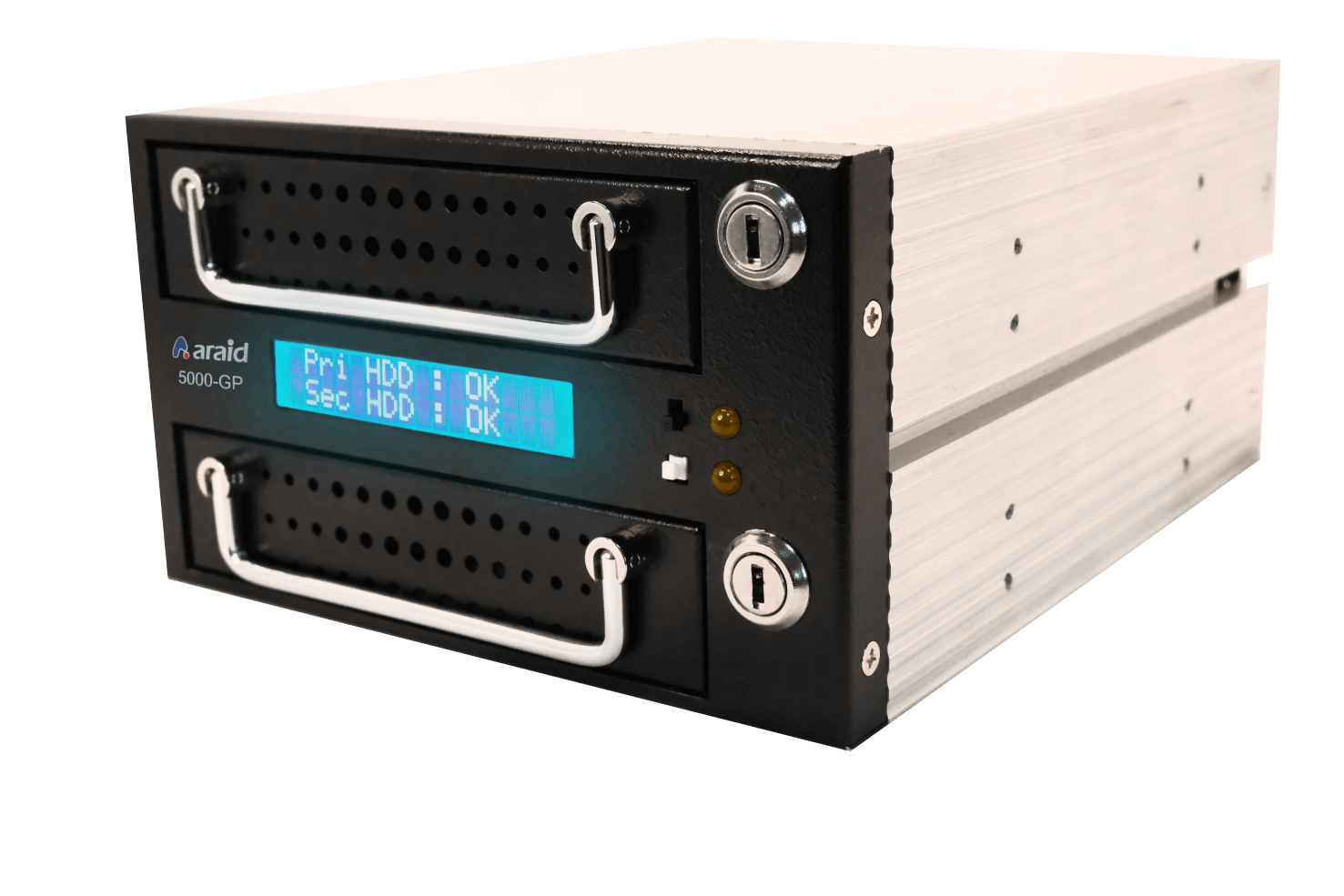
| ARAID® RAID Enclosure | High-speed backup and instant recovery, ensuring uninterrupted operation | On-site device data is prone to loss, lacking offline fault tolerance | Build a resilient smart infrastructure foundation, enhancing post-disaster data recovery |
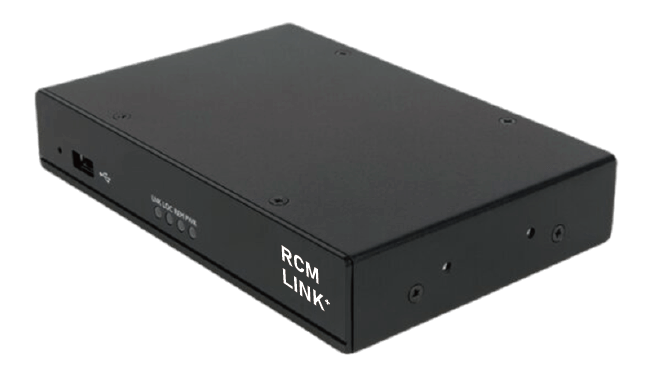
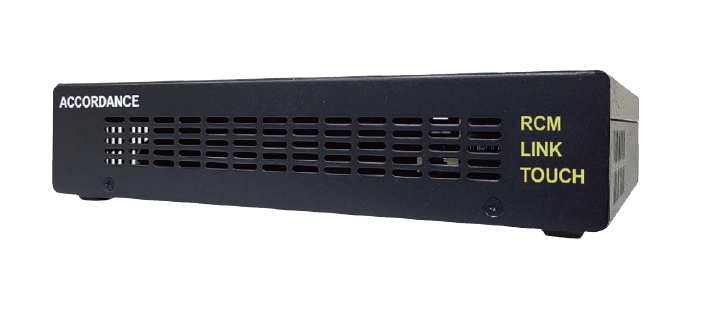
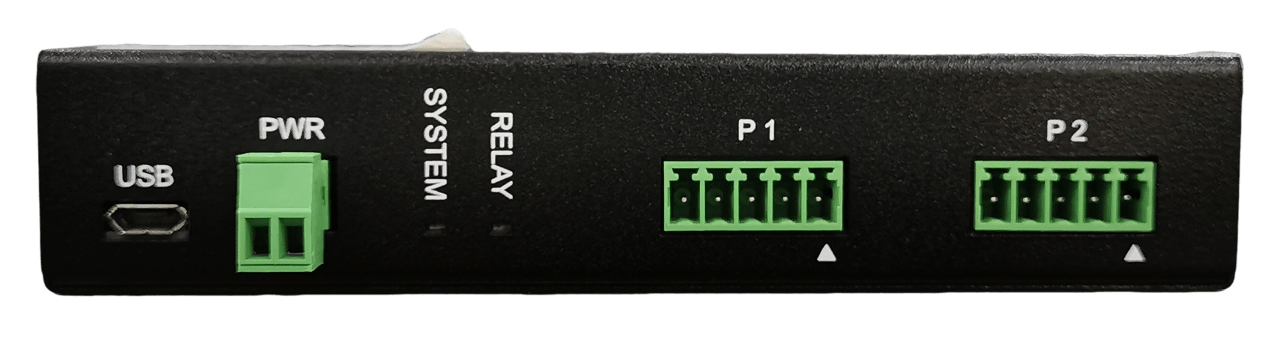
| PLC+ Remote Control and Data Collection Solution | Smart integration with legacy PLC devices, supporting multiple communication protocols | Legacy infrastructure cannot connect to the network, making data difficult to acquire | Improve real-time data availability and visibility |
| RCVM Remote Monitoring Solutions | Remote monitoring of real-time machine status, troubleshooting, maintenance support, and operational analysis | Utilities, transportation, and power systems are decentralized, difficult to consolidate | Establish a centralized monitoring center to enhance scheduling efficiency and risk management |
Application Scenarios

Conclusion
As smart cities, net-zero carbon goals, and ESG strategies move forward, infrastructure is no longer a static asset—it must become a dynamic system capable of real-time sensing, intelligent response, and sustainable operation.
Accordance, with a core focus on data security, device integration, and intelligent execution, delivers end-to-end solutions—from edge storage and industrial communication to AI-driven automation—empowering the future of public infrastructure.