
- Home
- Industries
- Medical Industry
Medical Industry
Accelerated Development of AI and Smart Healthcare
With the explosive growth of medical data and the increasing sophistication of medical devices, the healthcare industry is rapidly embracing AI and digital technologies. From image interpretation and precision diagnosis to optimizing clinical workflows, AI has become a core driver in modern medical environments. By combining automation mechanisms with digital platforms, healthcare institutions can enhance efficiency while ensuring patient safety and medical quality.
Applications of IIoT and Edge Computing in Healthcare
Through IoT and sensor integration, medical devices can continuously collect patient data, lab results, and equipment status. With edge computing, data can be processed locally in real time, reducing latency and ensuring the timeliness and reliability of diagnostic results. This significantly improves decision-making speed and gives hospitals an advantage in critical environments such as emergency care, intensive care units, and operating rooms.
Sustainable Healthcare and ESG Practices
The global demand for sustainable medical resource utilization continues to grow. Smart healthcare solutions help hospitals reduce material waste and carbon footprints through energy management, resource recycling, and digitized processes. This enables healthcare institutions to achieve both efficiency and sustainability goals simultaneously.
Industry Pain Points
1.Fragmented Clinical Data and Lack of Real-Time Access
Patient records, medical images, and test results are scattered across different systems with limited cross-departmental integration.
Diagnosis and treatment require real-time data, yet existing systems often experience delays.
2.Insufficient Connectivity of Medical Devices
Devices from different manufacturers and generations lack standardized communication protocols.
Legacy equipment cannot transmit data in real time, restricting clinical decision efficiency.
3.Low Automation in Medical Workflows
Lab testing, medication dispensing, and logistics still rely heavily on manual operations, which are prone to errors.
- Healthcare staff face heavy workloads and struggle to adapt to new systems.
4.Cybersecurity and Privacy Risks Medical records and test results contain highly sensitive information that must be strictly protected.
Connected medical IoT devices may become potential targets for cyberattacks.
Solutions
| Product/Solution | Features & Highlights | Addressed Pain Points | Resolved Challenges |
|---|---|---|---|
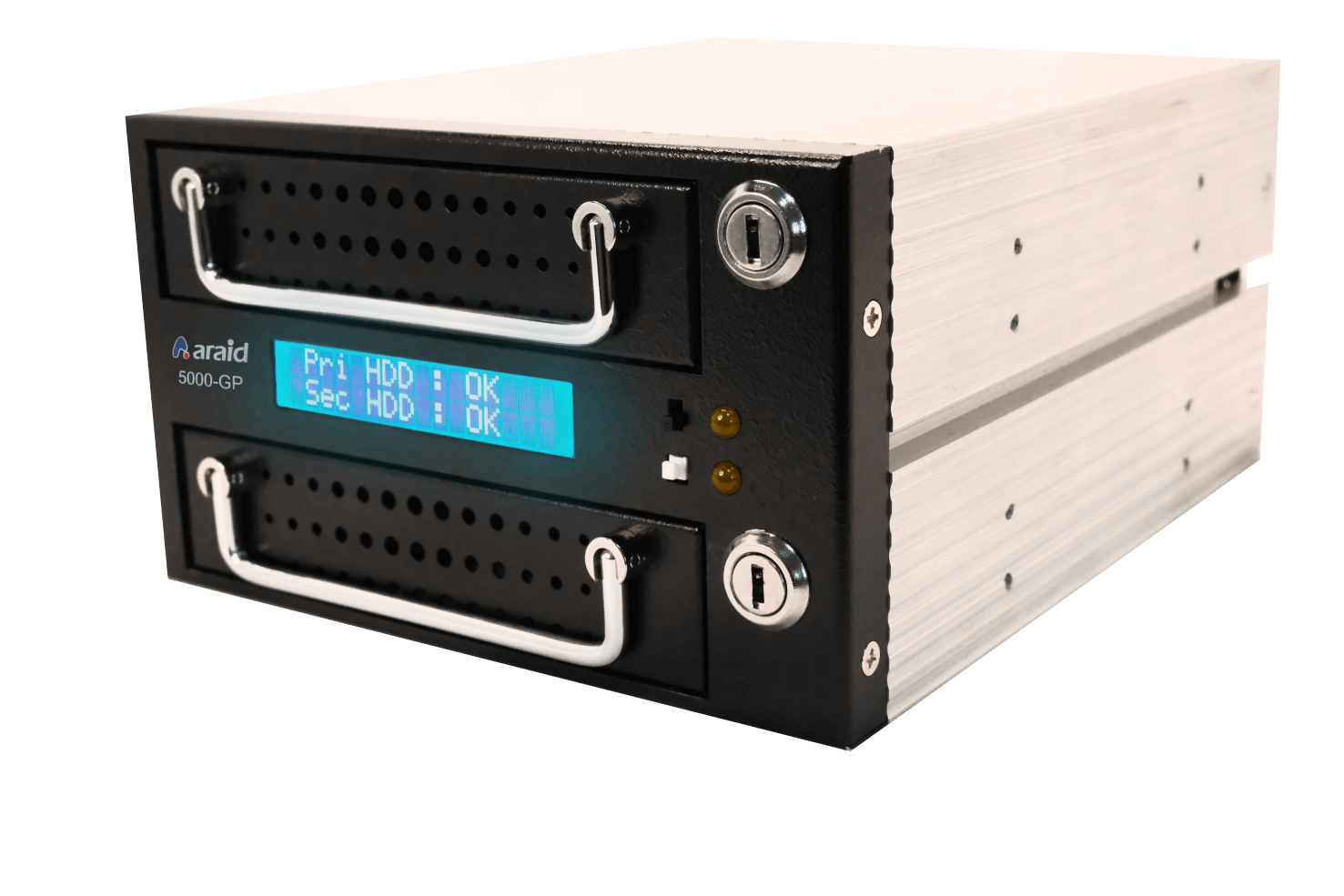
| ARAID® RAID Enclosure | High-speed backup and instant recovery, ensuring uninterrupted operation | Medical data is highly sensitive, with strict security requirements | Ensure medical data is fully backed up and instantly accessible |
| AiRPA Robotic Process Automation | Integrated with OCR text recognition & remote control, script-based workflow automation, improving human-to-machine ratio | High error rate in manual operations, with wasted repetitive labor | Implement automation to reduce downtime and minimize operational disruption |
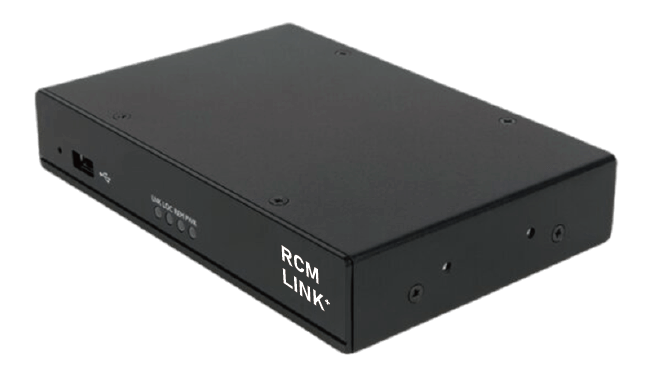
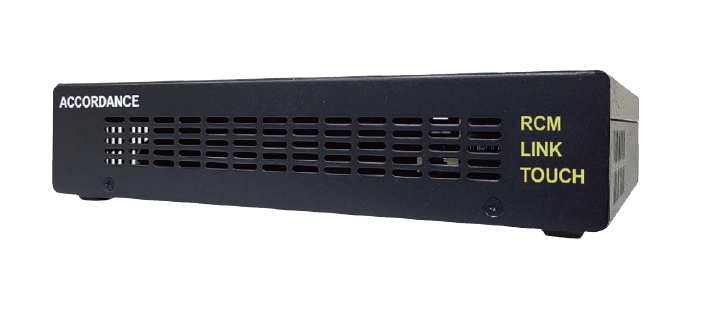
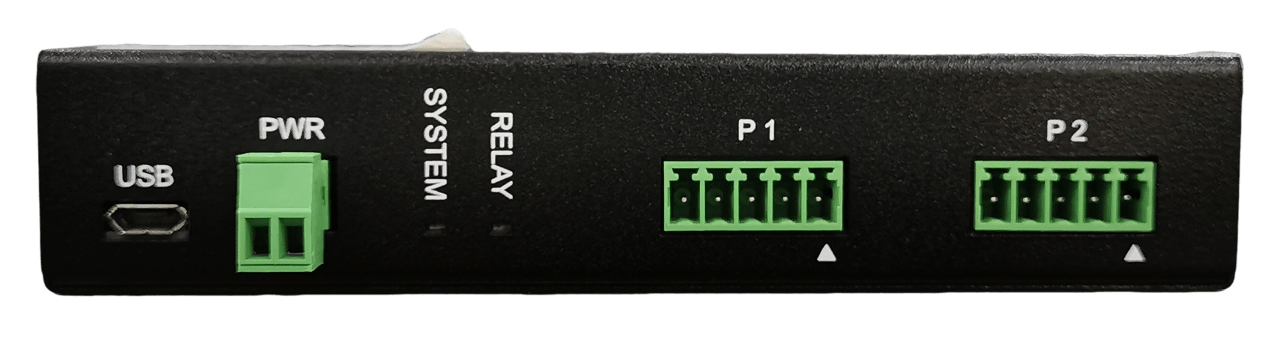
| PLC+ Remote Control and Data Collection Solution | Smart integration with legacy PLC devices, supporting multiple communication protocols | Legacy equipment cannot be integrated | Extend equipment lifespan, reducing hardware upgrade costs |
| RCVM Remote Monitoring Solutions | Remote monitoring of real-time machine status, troubleshooting, maintenance support, and operational analysis | Equipment maintenance requires significant manpower, with high downtime costs | Use remote monitoring to track equipment status in real time, reducing on-site maintenance needs |
Application Scenarios

Conclusion
In the era of rapid smart healthcare evolution, only by addressing clinical data security, workflow automation, legacy system digitization, and intelligent remote management can the industry achieve truly efficient and precise medical services. Accordance Technology provides comprehensive smart healthcare solutions that help medical institutions enhance operational resilience, reduce clinical risks, and drive sustainable development—ushering in a new era of intelligent healthcare.