
- Home
- Industries
- Military Industry
Military Industry
Smart Battlefield & Real-Time Situational Awareness
Modern defense operations rely heavily on real-time intelligence and precise decision-making. By integrating AI, sensor networks, unmanned systems, and satellite intelligence, command centers can rapidly assess battlefield conditions, predict threats, and deploy resources with precision. This intelligent situational awareness not only improves operational efficiency but also enhances commanders’ confidence in complex environments.
Autonomous Equipment & Remote Operations Support
As military systems become increasingly complex, ranging from UAVs and radar systems to logistics platforms, traditional manual operations and maintenance can no longer meet rapid response demands. With automation and remote monitoring technologies, the military can achieve autonomous equipment operations, predictive maintenance, and cross-domain collaboration—ensuring mission continuity, reliability, and reduced manpower costs.
Resource Optimization & Sustainable Defense
Modern military operations focus not only on combat power but also on energy efficiency, logistics, and resource management. Smart defense systems integrate energy, materials, and logistics data to achieve resource optimization and long-term operational sustainability. By adopting low-carbon and high-efficiency energy strategies, the military can reduce waste and costs while ensuring combat readiness, building a more resilient defense force.
Industry Pain Points
1.Diverse Intelligence Sources, Poor Integration
Battlefield data comes from satellites, radars, UAVs, and command systems, with inconsistent formats and update cycles.
Command centers struggle to integrate data quickly, slowing decision-making and strategy deployment.
2.Legacy Equipment with Limited Smart Capabilities
Many older platforms and logistics systems lack connectivity and automation features.
They cannot support real-time monitoring, remote operations, or equipment interconnectivity, reducing battlefield flexibility.
3.Heavy Reliance on Manual Operations
Equipment maintenance, logistics, and monitoring still require extensive manpower, prone to errors.
- This hinders rapid response and reduces efficiency during prolonged missions.
4.High Cybersecurity Risks & Sensitive Data Exposure Military systems contain national security-level data, where any vulnerability may be exploited by adversaries.
Data breaches or intrusions could compromise missions and weaken strategic advantage.
5.Complex Logistics & Resource Management
Energy, ammunition, supplies, and maintenance resources are fragmented, without an intelligent scheduling platform.
This reduces mission endurance and efficiency, increasing operational risks.
Solutions
| Product / Solution | Features & Highlights | Addressed Pain Points | Resolved Challenges |
|---|---|---|---|
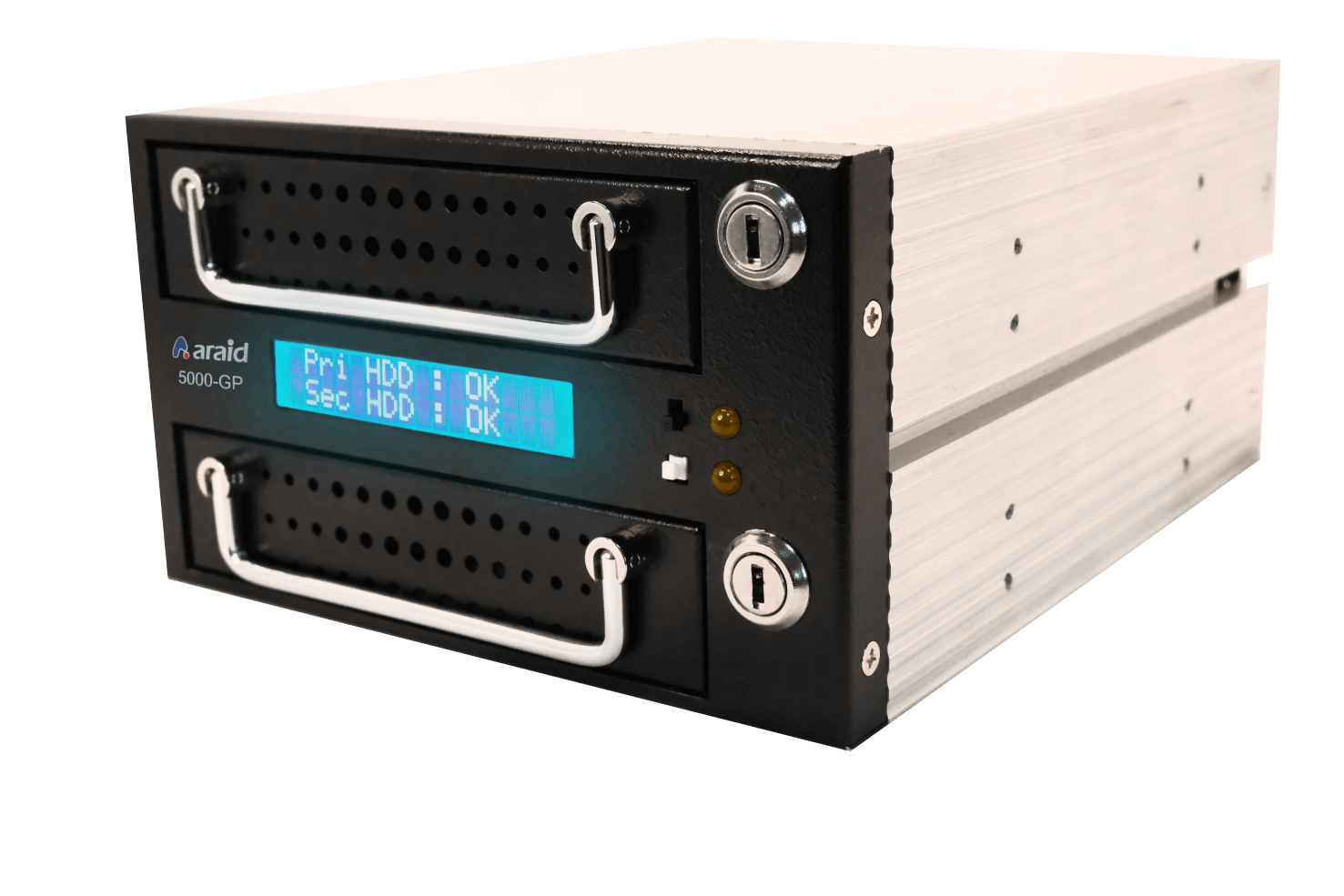
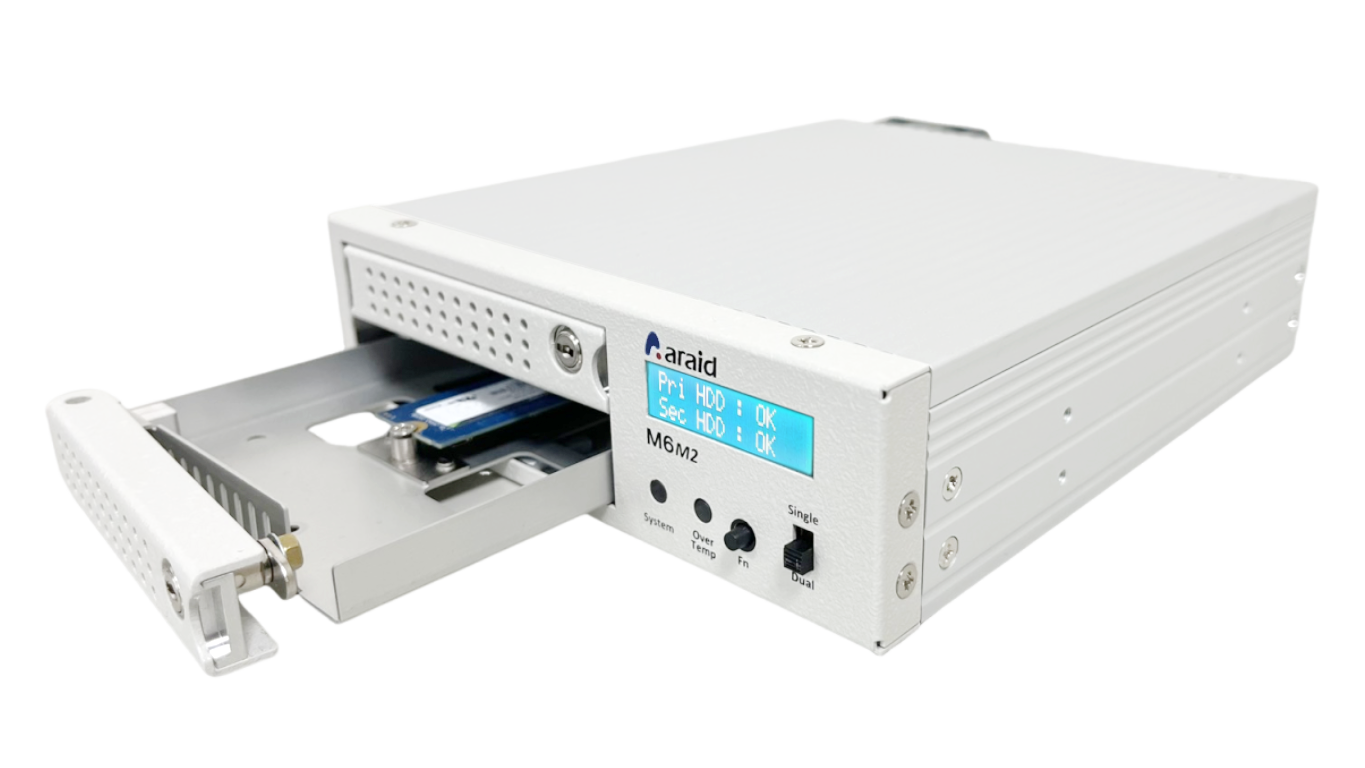
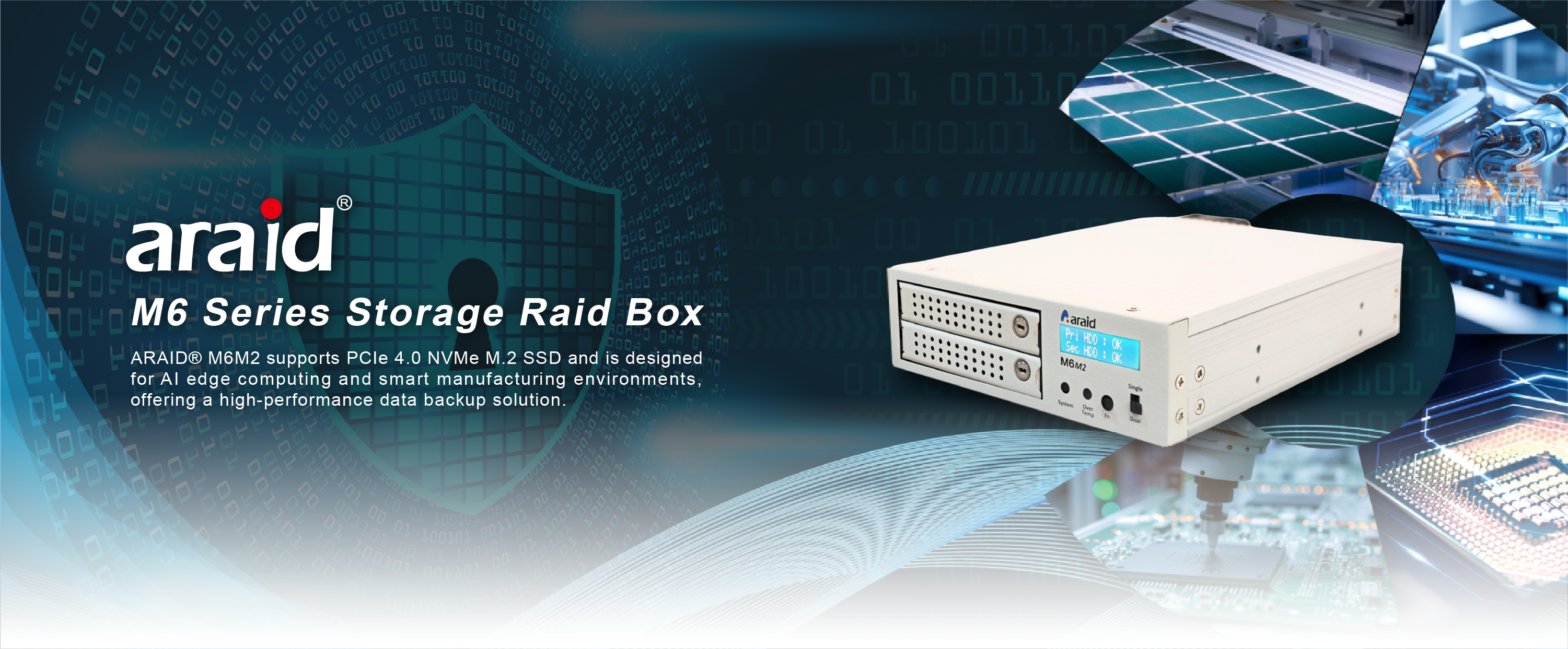
| ARAID® RAID Enclosure | High-speed backup and instant recovery, ensuring uninterrupted operation | High cybersecurity threats and risks to mission-critical information | Ensures secure and real-time backup of critical intelligence, reducing risks of data loss and cyberattacks |
| PLC+ Remote Control and Data Collection Solution | Smart integration with legacy PLC devices, supporting multiple communication protocols | Legacy equipment limitations in digitalization | Extends equipment lifespan, reduces full replacement costs, enables real-time data collection and remote monitoring |
| RCVM Remote Monitoring Solutions | Remote monitoring of real-time machine status, troubleshooting, maintenance support, and operational analysis | High manpower dependency for operational support | Reduces on-site maintenance and manpower costs, ensuring continuous equipment operation |
應用場景

Conclusion
In today’s fast-changing security landscape, the true value of the defense industry goes beyond weapon development—it lies in integrating IT, AI, and smart manufacturing to build resilient, secure, and sustainable defense systems. With backup, automation, cross-platform integration, and remote monitoring, military forces can reduce risks, enhance decision-making, and ensure critical mission resources remain available in real time.