- Home
- Industries
- Transportation industry
Transportation industry
Smart Transportation Accelerates Implementation
With rapid urban development and population growth, traditional transportation systems can no longer cope with increasingly complex commuting demands and traffic congestion. Smart transportation, powered by sensors, real-time video, AI analytics, and communication networks, is becoming a core tool for traffic management. From traffic signals and automated tolling to railway control systems, digitalization and automation are enabling faster, safer, and smoother mobility.
Cross-Domain Integration Towards Intelligent Centralized Traffic Control
Modern transportation spans across roads, railways, airports, ports, and public transit systems. Integrating data across these entities is increasingly challenging. By establishing centralized monitoring platforms and linking real-time edge devices, key data such as equipment status, alerts, and traffic flow can be captured. Combined with SNMP, AI models, and automated control, this approach enables disaster prevention, intelligent dispatching, and rapid response.
Sustainable Transportation and Urban Resilience in Parallel
Under the global ESG and net-zero carbon goals, the transportation industry is shifting from carbon-intensive systems toward low-carbon, electrified, and intelligent solutions. Not only road transport, but also rail and airport systems are adopting green infrastructure, energy-saving monitoring, and renewable energy management to enable sustainable mobility and urban resilience.
Industry Pain Points
1.Systems are fragmented; data is not integrated
- Transportation infrastructure is managed by multiple authorities without a unified data platform, resulting in data silos that hinder decision-making and incident response.
2.Maintenance is complex; manpower is heavily burdened
Traffic equipment is widely distributed across outdoor, tunnel, and elevated environments, making inspection costly and inefficient.
Maintenance processes rely heavily on manual records and paperwork, preventing real-time awareness of equipment faults or status changes.
3.High demand for system stability and redundancy
- Transportation systems must operate continuously 24/7; any failure or downtime may directly impact public safety and urban operations.
4.High investment costs; difficult to upgrade - Upgrading legacy equipment to smart systems requires high investment and often faces challenges such as system incompatibility and complex integration.
5.Cybersecurity risks and insufficient disaster resilience Connected devices are vulnerable to cyber threats; unprotected sensors and controllers are easily targeted by hackers and malicious attacks.
Extreme weather events such as heatwaves, heavy rains, and earthquakes frequently challenge infrastructure resilience, which often lacks sufficient protection and recovery mechanisms.
Solutions
| Product/Solution | Features & Highlights | Addressed Pain Points | Resolved Challenges |
|---|---|---|---|
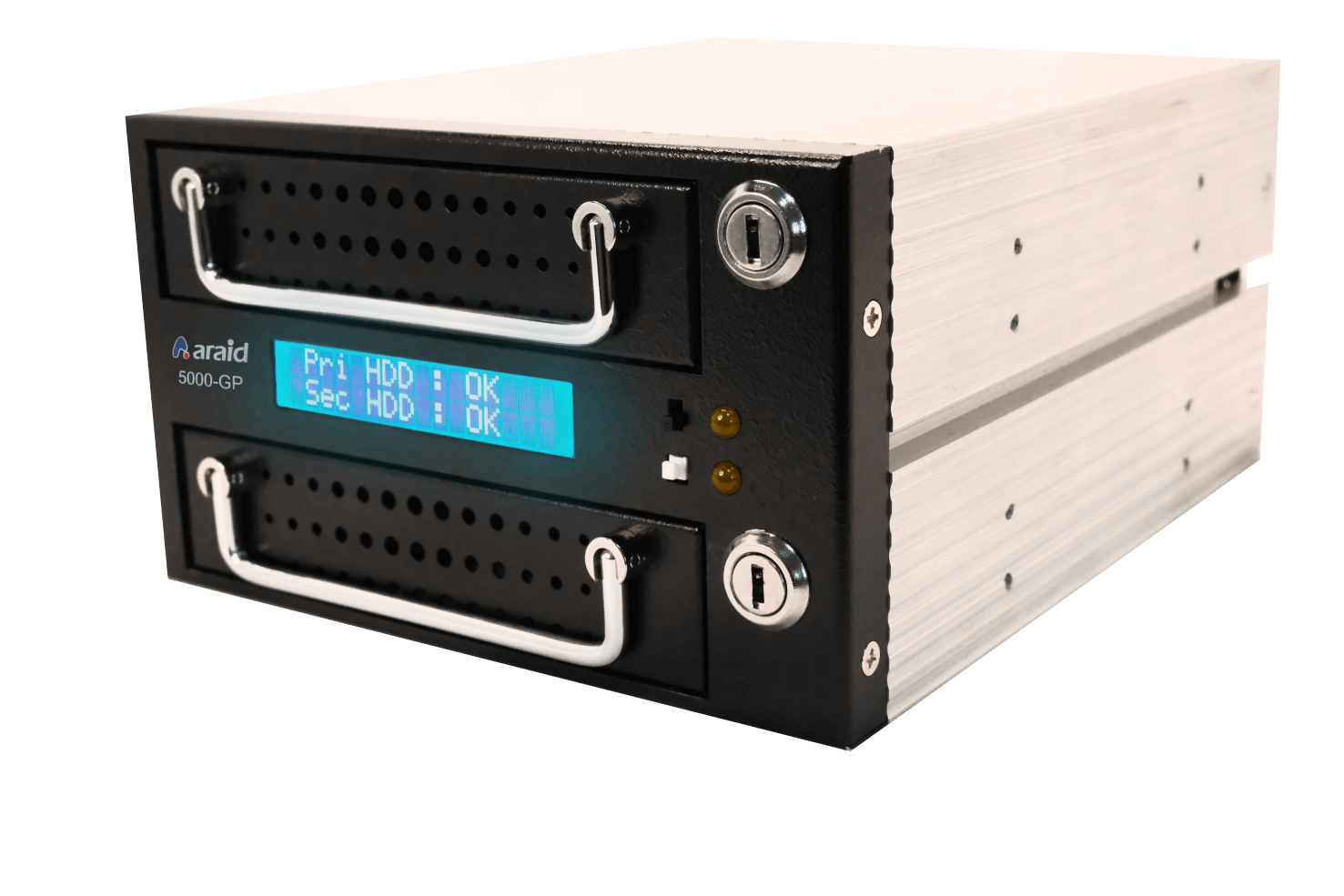
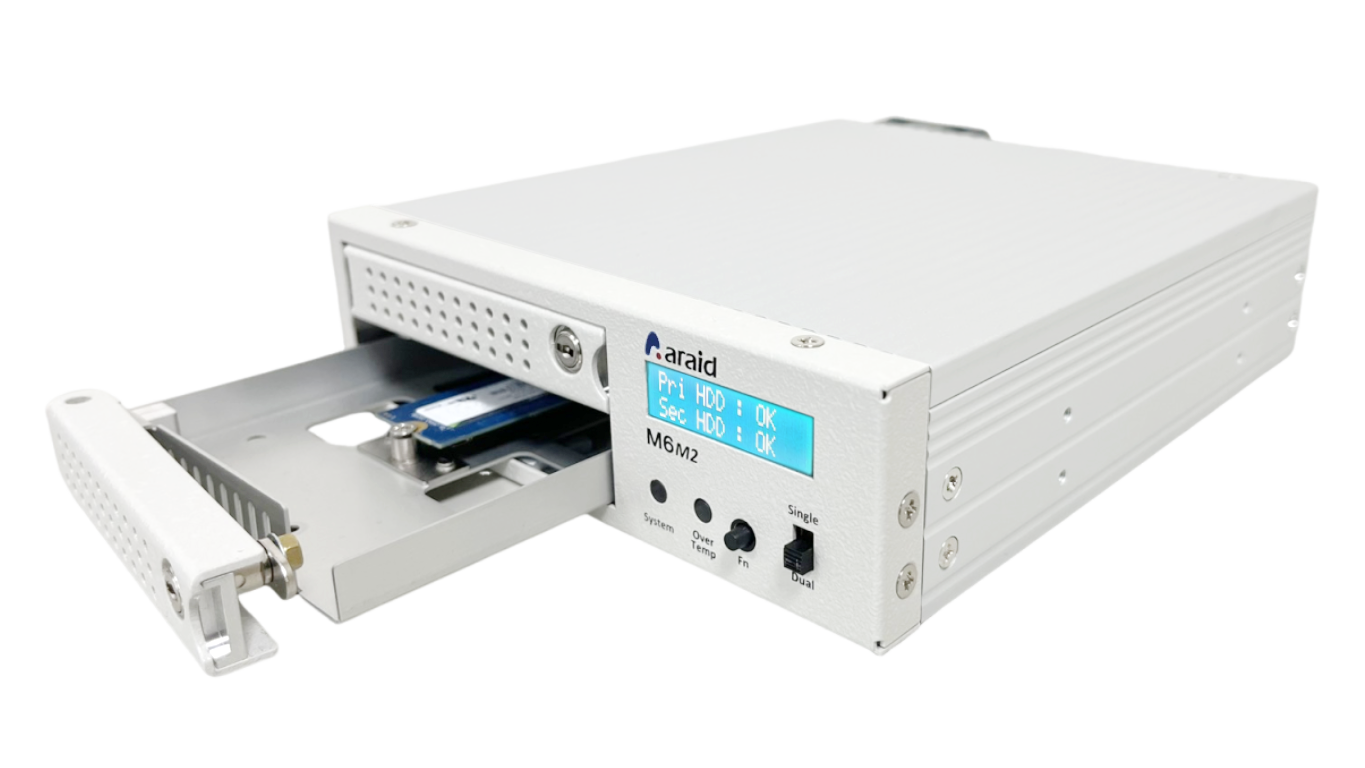
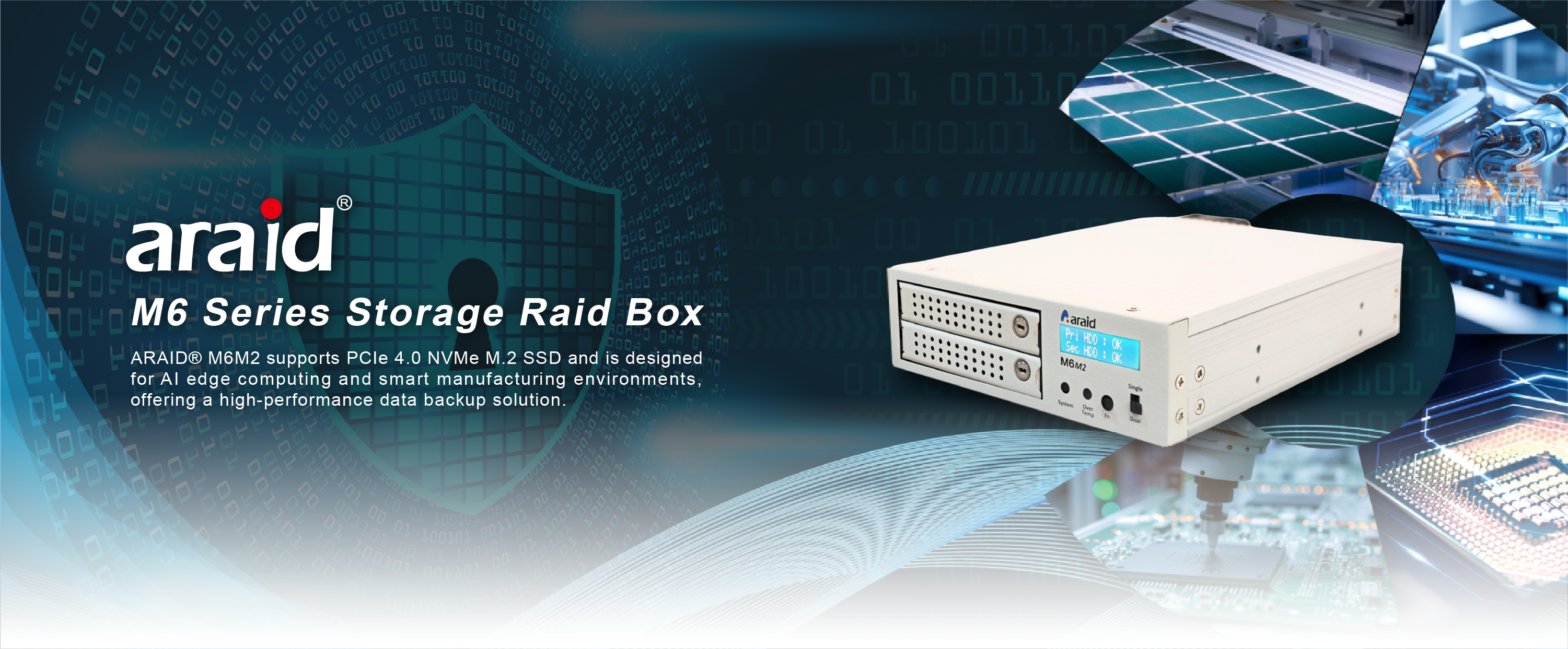
| ARAID® RAID Enclosure | High-speed backup and instant recovery, ensuring uninterrupted operation | Roadside equipment data is prone to loss, traffic monitoring recordings are interrupted | Build a resilient smart infrastructure foundation, enhancing post-disaster data recovery |
| AiRPA Robotic Process Automation | Integrated with OCR text recognition & remote control, script-based workflow automation, improving human-to-machine ratio | Manual inspections are inefficient, response is slow, and error rate is high | Improve traffic agency response efficiency through automated SOP execution, reducing errors and losses |
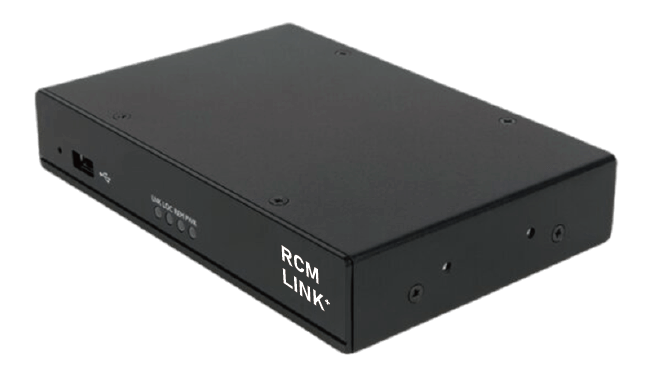
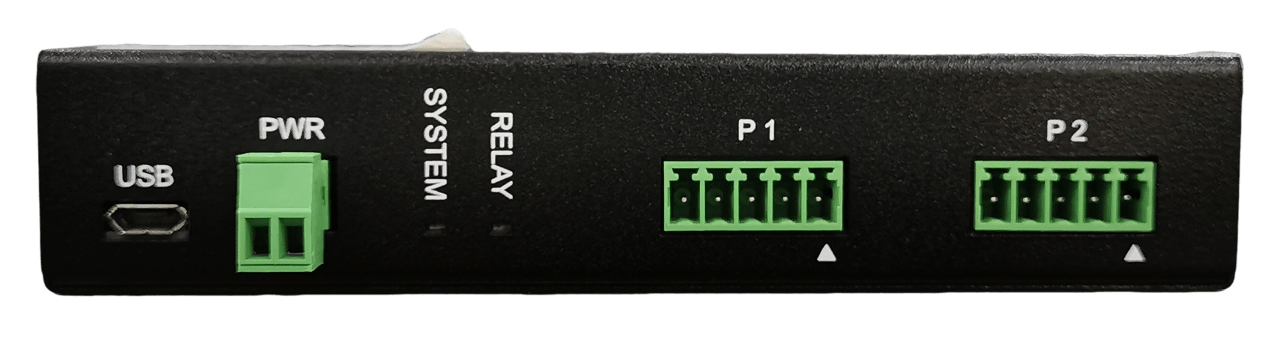
| PLC+ Remote Control and Data Collection Solution | Smart integration with legacy PLC devices, supporting multiple communication protocols | Traditional traffic facilities cannot be networked, reducing traffic flow and monitoring efficiency | Enable smart upgrades of traffic infrastructure, improving data timeliness and visual monitoring capabilities |
| RCVM Remote Monitoring Solutions | Remote monitoring of real-time machine status, troubleshooting, maintenance support, and operational analysis | Traffic systems are fragmented and siloed, leading to delayed scheduling | Establish an intelligent traffic control center to enhance scheduling efficiency and risk management |
Application Scenarios

Conclusion
Smart transportation is one of the key drivers of urban advancement. It is not only essential to commuting efficiency but also a vital reflection of urban safety, environmental sustainability, and intelligent governance.
Accordance Technology is committed to “data security, system integration, and intelligent execution,” offering end-to-end solutions—from front-end devices and real-time storage to centralized platforms—to help the transportation industry achieve a visible, controllable, and predictable future of mobility.